
Why Your Sponsors Don't Commit to Another Year
I've spent 20 years in sales and marketing, cutting my teeth selling everything from photocopiers to surfing holidays. I landed in the events world around a decade ago, and after studying supply chain and logistics, found myself combining my sales and marketing background with event experience out of necessity, selling sponsorship packages to make sure the events I was building or assigned to were actually financially viable. Without sponsors, I don't think half the events I've been associated with would have even happened.
Over that time, I've watched how brands work with events change constantly. If you don't adapt, you get left behind. Understanding the real value your event brings to a brand is critical, and so is finding every opportunity that exists within it. What's your product? Gold, silver and bronze tiers don't cut it anymore. Brands want creativity, they want to be pitched ideas that show you've actually researched their business, and they want to genuinely see a return on the opportunity, not just a logo placement.
But that's only half the equation. The real question is what happens once they've committed. How do you manage that relationship from there? Brands expect a lot these days, and honestly, they should. Through years of trial and error, I've landed on the formula that makes the difference between a sponsor who signs once and disappears, and one who commits again and again.
The Formula: Four Parts, One Non-Negotiable
After enough events and enough sponsors, I've landed on a formula with four parts. The first three build on each other, but it's the third that decides whether you get a fourth. This model is a proven way to improve your sponsorship retention year on year, event on event!
1. Planning & Communication (Important)This is where the relationship starts, understanding what the brand actually wants out of the partnership, not just what tier they've bought. Regular, clear communication before the event sets the tone for everything that follows. Skip this and you're building the whole partnership on assumptions.
Here's where I see most people get it wrong from the very first conversation. They open with budget. "What are you looking to spend?" "What's your sponsorship budget for this year?" That's straight out of a 90s sales book, and it doesn't work anymore. You're not selling life insurance, you're selling them a genuine opportunity to grow their brand.
The real qualification process isn't about money, it's about motivation. What does this brand actually want out of sponsoring an event? Are they chasing brand awareness in a new market? Do they need leads and a database they can market to afterwards? Are they trying to shift perception, connect with a specific community, or launch something new? Have an actual conversation. Get to know the person across the table, their business, what keeps them up at night. Once you genuinely understand what they want, the selling part becomes easy, because you're not pitching a package anymore, you're offering them a solution to something they already care about.
2. Execution & Event Delivery (Very Important)This is the part most people think sponsorship is about, delivering what was promised, on the day, professionally. It matters, and it's very important. But on its own, it's not enough. A flawless activation with no record of it happening might as well not have happened, as far as the sponsor's internal reporting is concerned.
This is also the part I'd argue Brandid Media genuinely excels at more than anyone else in the business. We're regularly brought in by event organisers specifically for this piece, delivering on the ground for the brands they've partnered with. But we don't just show up and capture content. We work with the event organiser and their trusted partners, and we work directly with the brand, to make sure what's being delivered on the day is exactly what that sponsor was promised and expects to see. That's the piece most suppliers miss. They treat delivery as a content capture job. We treat it as making sure every party in that partnership, the organiser, the brand, and the audience, walks away with what they came for.
3. Reporting & Proof of Value (Most Important)This is the one that actually decides whether a sponsor comes back. You can nail the planning and deliver a perfect event, but if you can't hand the brand something they can take back to their team that clearly shows the return, none of it counts for much at renewal time. Industry research backs this up clearly: up to 80% of event sponsors don't return for a second year, and the leading cause isn't the event itself, it's the absence of clear, timely proof of value. Only 19% of advertisers even feel confident they can measure sponsorship ROI in the first place, which makes this the single biggest opportunity most organisers are leaving on the table.
But tracking data is only half of it. Making that data actually mean something to the specific sponsor is what separates a report that gets skimmed from one that gets forwarded straight up the chain. A car brand doesn't care how many cans of Red Bull got sold at your event. They care about leads generated, test drives booked, and a database of genuinely interested customers they can market to afterwards. A beverage brand, on the other hand, probably does want to know how many drinks moved. Every sponsor is chasing a different outcome, and your reporting needs to speak directly to theirs, not a generic one-size-fits-all wrap-up deck. Know what they came for before the event even starts, and build your reporting around proving exactly that.
4. The Outcome: Repeat BusinessGet the first three right, especially the third, and the outcome takes care of itself. Sponsors don't just renew, they sign on for multiple events, and the sales conversation the following year becomes a formality rather than a pitch. The numbers support this too: events with clear ROI reporting see 40 to 60% higher renewal rates, and brands with proper measurement in place are over three times more likely to increase their sponsorship spend year on year, not just maintain it.
This is genuinely the outcome we're focused on with every event organiser we work with. Our goal isn't just to help you run one good event with happy sponsors, it's to get you to the point where sponsorship stops being something you have to chase and pitch every single year, and starts being something brands come back to you for, sometimes signing on for multiple events at once. That's the real shift, from constantly rebuilding your sponsor base from scratch, to compounding it. Fewer cold pitches, stronger relationships, and a sponsorship pipeline that grows year on year instead of resetting to zero every season.
What I'd Tell Organisers NowYou're not bad at this. You're understaffed for what sponsorship deliverables have become. The demands have grown every year, more content, more platforms, more proof, while most event teams haven't grown to match. My advice, from trialling this the long way, is to stop treating sponsor reporting as a wrap-up task and start treating it as part of the event plan from day one, the same way you'd plan run sheets or ticketing.
What I'd Tell Brands NowSponsoring the right event works. Over half of people say they're more likely to buy from a brand they recognise as a sponsor of something they care about. But that opportunity means nothing internally if you can't prove you captured it. Ask your event partner what reporting looks like before you sign, not after. If they can't answer clearly, that's your answer.

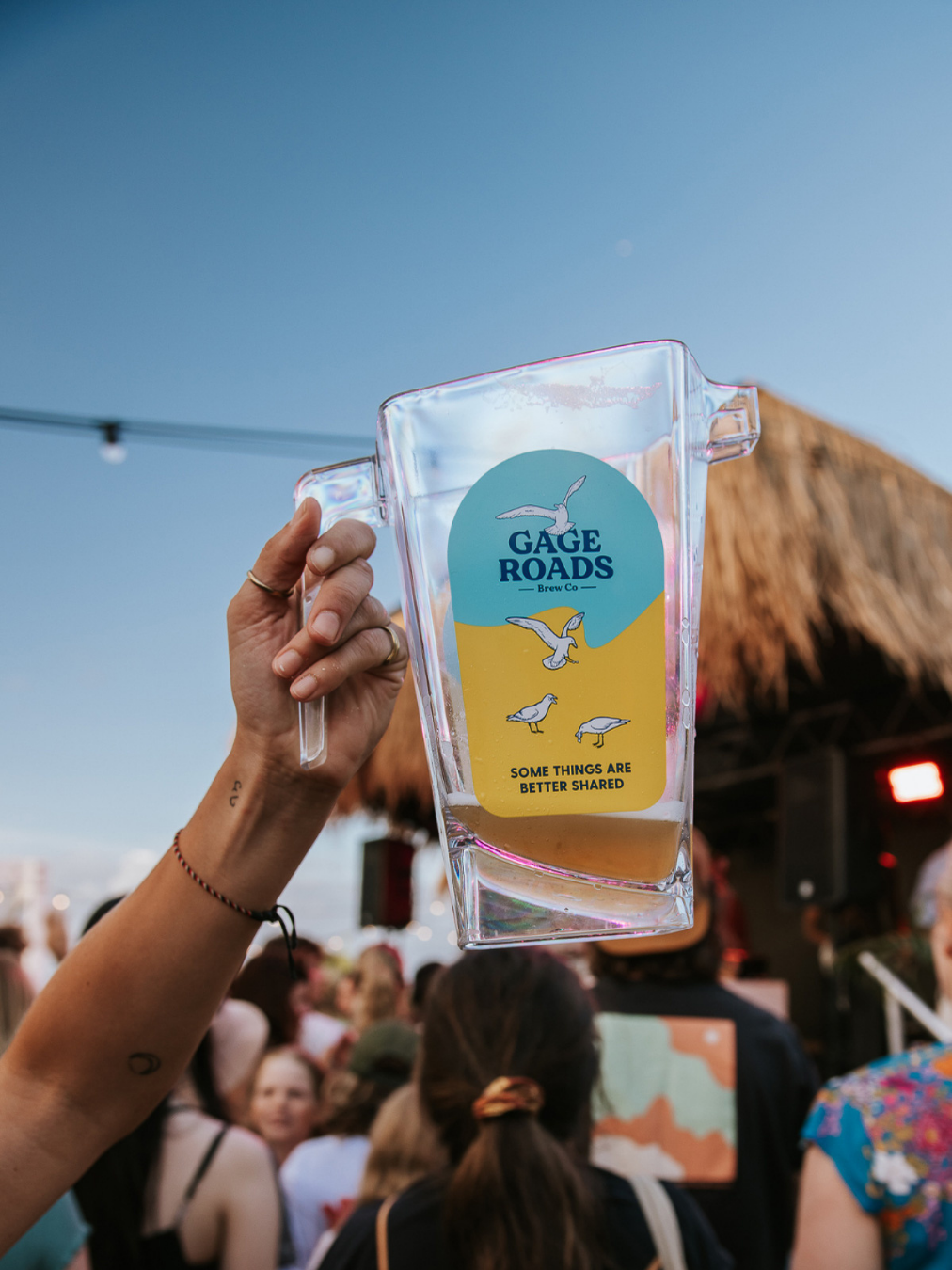
Why The Event Partner Package?
This formula is exactly why we built The Event Partner Package the way we did, not as an add-on service, but as something planned in from the start for organisers and brands alike.
Frequently Asked QuestionsWhy don't event sponsors renew, even when the event goes well? The most common reason isn't a bad event experience, it's unclear or unproven value. Sponsors need to see a clear, tangible return before they commit again, and most organisers don't have the time or system to provide that after the event is over.
How much does proper ROI reporting actually improve sponsorship renewal? Industry research shows events with clear ROI reporting see 40 to 60% higher renewal rates compared to those without it, and brands with strong measurement frameworks are over three times more likely to increase their sponsorship spend year on year.
Is this an event organiser problem, a brand problem, or both? Both. Organisers often lack the time and systems to capture and report on sponsor value properly, while brands often lack confidence they can measure sponsorship ROI at all. The gap sits in the middle, and it's where sponsorships quietly fall apart.
What can event organisers do to improve sponsor retention? Build sponsor reporting into the event plan from the start, not as an afterthought once the event wraps. That means mapping content and deliverables against what each sponsor actually needs, capturing it properly on the day, and delivering a clear report while the event is still front of mind.
